

“Out of Many,One"
“Like a Phoenix Rising from the Ashes"


The origins of The United States Fire Department Reserve Corps (USFDRC) are rooted in the events of September 11, 2001, a day that forever changed the United States and the world.
At 8:46 a.m., American Airlines Flight 11 struck the North Tower of the World Trade Center in New York City. Seventeen minutes later, at 9:03 a.m., United Airlines Flight 175 struck the South Tower. Both towers subsequently collapsed, devastating Lower Manhattan and taking thousands of lives.
Among those who made the ultimate sacrifice were 343 members of the Fire Department of the City of New York, 23 New York City police officers, and 37 Port Authority police officers. These courageous first responders entered the buildings and remained at their posts as they worked to evacuate civilians, rescue those who were trapped, and protect the public.
At 9:37 a.m., American Airlines Flight 77 struck the western side of the Pentagon in Arlington, Virginia. The attack claimed the lives of 125 military personnel and civilians inside the Pentagon, along with the passengers and crew aboard the aircraft.
United Airlines Flight 93, the fourth hijacked aircraft, was traveling from Newark, New Jersey, to San Francisco, California. After learning about the other attacks through telephone calls, the passengers and crew courageously organized an effort to regain control of the aircraft. Their actions prevented the hijackers from reaching their intended target in Washington, D.C. Flight 93 crashed near Shanksville, Pennsylvania, at 10:03 a.m., taking the lives of all 40 passengers and crew members.
In total, 2,977 innocent people were killed during the September 11 attacks. The courage, sacrifice, unity, and selfless service demonstrated that day remain permanently woven into the history and mission of the USFDRC.
Carmelo Báez served as a civilian volunteer from the New Jersey Shore during the national emergency. As an Emergency Medical Services Unified Operations Chief, he helped organize an Interagency Incident Action Plan for receiving victims and patients transported by boat from Manhattan and coordinating their transfer to hospitals and medical facilities throughout New Jersey.
He later served as a civilian volunteer Search and Rescue Team Leader at Ground Zero on September 13, 14, and 15, 2001. His experiences during the response and recovery efforts profoundly shaped his understanding of service, sacrifice, emergency preparedness, and the essential role of trained civilian volunteers during times of national need.
After returning home, Mr. Báez became convinced that the United States needed a national organization of public-spirited volunteers who understood the importance of public safety and could support fire services, prehospital emergency care, emergency management, humanitarian operations, and community preparedness.
He envisioned a military-structured civilian volunteer fire service organization inspired by the proud traditions of the United States Armed Forces Reserve components and the American fire service. This organization would unite trained civilian reservists who could be called to serve when
communities, municipalities, counties, states, or the nation required additional assistance during emergencies, disasters, or other times of significant need.
Mr. Báez shared this vision with his wife, Blanca E. Báez; their children, Carolina and Andre Báez; and others who believed in the importance of service to the nation and its communities
With the support and assistance of his family, Mr. Báez organized and incorporated The United States Fire Department Reserve Corps in Florida on April 29, 2010. The organization was founded on his birthday as a meaningful gift to his family, the American people, and the country he deeply loves.
The USFDRC was created to honor those who served, sacrificed, and responded during and after September 11, 2001. Including members of the United States Armed Forces, firefighters, emergency medical personnel, law enforcement officers, emergency management professionals, civilian volunteers, and their families.
Established as a national volunteer reservist fire department, the USFDRC was incorporated under the laws of the State of Florida and recognized by the Internal Revenue Service as a tax-exempt organization under Section 501(c)(3). It operates as a nongovernmental, nonprofit, charitable, humanitarian, educational, and public-safety organization.
USFDRC reservists represent a supplemental volunteer force committed to supporting first responders, fire departments, families, and communities when assistance is needed.
Our founding mission is:
To render aid to the ill, injured, and infirm; to help relieve the pain, suffering, and discomfort of those in need; and to educate individuals and communities to prevent, prepare for, and respond to emergencies throughout the United States and, when requested, around the world.
This historic national motto reflects the USFDRC’s commitment to uniting members of the fire service, emergency medical services, law enforcement, the military, support professions, and the civilian community into one volunteer force dedicated to service, preparedness, compassion, and public safety.

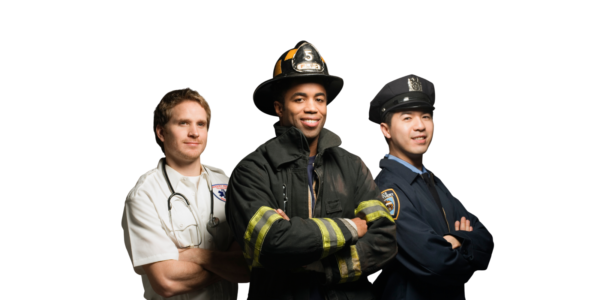


Our steadfast bond with the courageous men and women of law enforcement and the military was profoundly solidified in the aftermath of September 11, 2001. In times of both crisis and peace, their unwavering dedication to service continues to inspire our mission.
The heroism displayed on 9/11 and the sacrifices that followed remind us of the strength, resilience, and unity that define their call to duty. Together, we honor their sacrifices and ensure their families and communities feel the full measure of our collective support, standing as one nation dedicated to those who protect and serve.
Their commitment to protecting and serving others fuels our resolve to stand by them, offering solidarity, resources, and gratitude for their enduring contributions to our nation’s safety and resilience
The origins of The United States Fire Department Reserve Corps date to September 11, 2001, when at approximately 8:46 a.m. on a clear Tuesday morning, an American Airlines Boeing 767 loaded with 20,000 gallons of jet fuel crashed into the north tower of the World Trade Center in New York City. Then, 17 minutes after the first plane hit, a second Boeing 767 United Airlines Flight 175 appeared out of the sky, turned sharply toward the World Trade Center, and sliced into the south tower at about the 60th floor. The World Trade Center collapsed in a massive cloud of dust and smoke. Close to 3,000 people died in the World Trade Center and its vicinity, including a staggering 343 firefighters and paramedics, 23 New York City police officers, and 37 Port Authority police officers who were struggling to complete an evacuation of the buildings and save the office workers trapped on higher floors. Only six people in the World Trade Center towers at the time of their collapse survived. Almost 10,000 other people were treated for injuries, many severe.
As millions watched in horror the events unfolding in New York, American Airlines Flight 77 circled over downtown Washington, D.C., and slammed into the west side of the Pentagon military headquarters at 9:37 a.m. Jet fuel from the Boeing 757 caused a devastating inferno that led to a structural collapse of a portion of the giant concrete building. All told, 125 military personnel and civilians were killed in the Pentagon, along with all 64 people aboard the airliner.
Meanwhile, a fourth California-bound plane United Flight 93 was hijacked about 40 minutes after leaving Newark International Airport in New Jersey. Because the plane had been delayed in taking off, passengers on board learned of events in New York and Washington via cell phone and Airphone calls to the ground. Knowing that the aircraft was not returning to an airport as the hijackers claimed, a group of passengers and flight attendants planned an insurrection. The passengers fought the four hijackers and are suspected of having attacked the cockpit with a fire extinguisher. The plane then flipped over and sped toward the ground at upwards of 500 miles per hour, crashing in a rural field in western Pennsylvania at 10:03 a.m. All 45 people aboard were killed. America was under attack.
When Mr. Carmelo Baez returned from serving as a civilian volunteer from the New Jersey Shore as the Emergency Medical Services Unified Operation Chief responsible for organizing the Interagency Incident Action Plan to receive victims and patients by boats from Manhattan and transfer them to statewide hospitals and facilities. Including his services as a civilian volunteer on September 13, 14, and 15, 2001, as a Search and Rescue Team Leader at ground zero.